This article may contain affiliate links. If you make a purchase through these links, we may earn a small commission at no extra cost to you. Learn more.
You’ve bought a smart speaker on a whim — maybe it was on offer during Black Friday, maybe you just fancied asking it to play Radio 4 while cooking. Now you’re three devices in, and suddenly you’re wondering why your Alexa can’t talk to your Hue lights properly, or why the Ring doorbell works perfectly with one system but refuses to play nice with another.
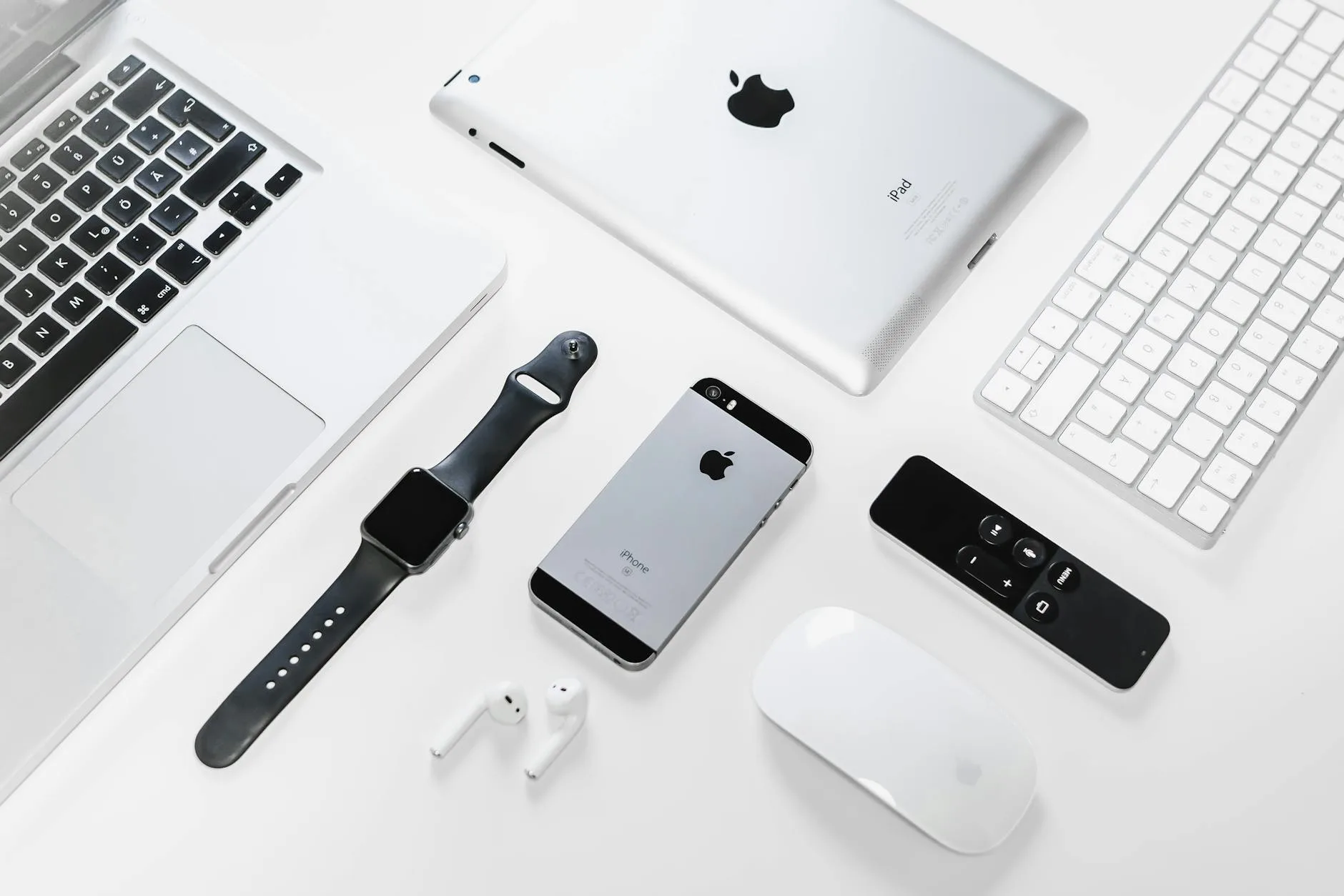
Think of an ecosystem as the operating system for your house. Just like your iPhone works best with a Mac, AirPods, and Apple Watch, a smart home ecosystem ties your lights, heating, cameras, and speakers into a single system that talks to itself.
Why Ecosystems Exist
Every smart device needs something to coordinate it. A smart bulb on its own is just a bulb you can control from your phone — though even that basic setup has uses, as we explain in our guide to smart lighting scenes and schedules — mildly useful but not exactly life-changing. When that bulb connects to a motion sensor, an automation routine, and your heating schedule, suddenly you’ve got something worth having.
Ecosystems provide that coordination layer. They handle the logic: “When I leave the house, turn off the lights, lock the door, and drop the heating to 16°C.” Without an ecosystem, you’d need a different app for every device and nothing would work together.
The Lock-In Problem
Here’s what nobody tells you in the shop: once you’ve invested in 15 Alexa-compatible devices, switching to Google Home means replacing some of them. Not all — the industry is getting better — but enough to make it painful. Choose carefully at the start, and you avoid an expensive do-over later.
The Big Three: Apple, Google & Amazon
Three companies dominate the UK smart home market, each with a different philosophy:
Apple HomeKit — privacy-first, polished, limited device selection, premium price
Google Home — AI-driven, excellent voice recognition, strong integration with Google services
There’s no objectively “best” ecosystem. The right one depends on your existing devices, your priorities, and how much you care about data privacy versus having every cheap gadget work out of the box.
Apple HomeKit: The Privacy-First Ecosystem
How HomeKit Works
Apple’s approach is simple: everything processes locally on your Apple TV or HomePod hub. Your data doesn’t leave your house unless you explicitly choose cloud features. If you’re weighing up protocols for your lighting, our guide to Zigbee vs Z-Wave vs Wi-Fi breaks down the differences. This is genuinely different from the competition — when you set up a HomeKit camera, the footage stays on your home network by default.
The Home app is clean and intuitive. If you’ve used any Apple product, you’ll know immediately how it works. Rooms, scenes, automations — all laid out simply.
The Hardware Reality
You need at least one “hub” device: an Apple TV 4K (about £149), a HomePod (£299), or a HomePod Mini (£99). The Mini is the obvious entry point. I’ve had one running for over a year in the kitchen and it’s reliable — never needs rebooting, Siri responds quickly for basic commands.
Device Compatibility
This is where Apple loses people. HomeKit has the smallest device library of the three. You won’t find bargain smart plugs from obscure brands — everything needs Apple’s certification, which costs manufacturers money and time. The upside: anything with the HomeKit badge really works. No faffing about with firmware updates or compatibility modes.
Best For
iPhone/Mac households — the integration is seamless
Privacy-conscious users — local processing by default
Small setups (under 20 devices) — where the limited catalogue doesn’t matter
People who hate tinkering — it works or it doesn’t, no middle ground
Price Range
Expect to pay more. A HomeKit-compatible smart plug costs £25-35 versus £12-15 for an Alexa-only equivalent. The HomePod Mini at £99 is reasonable, but a full HomePod at £299 is steep for what is essentially a Siri gateway with good speakers.
Google Home: The AI-Powered Ecosystem
The Google Assistant Advantage
Google’s voice recognition is truly the best of the three — and it’s not close. Ask it a follow-up question without repeating the context and it understands. “Turn on the living room lights.” “Make them warmer.” It gets it. Alexa would need you to say “Alexa, set living room lights to warm white” separately.
After six months with a Nest Hub in the hallway, I can say the contextual awareness is noticeably better than what I experienced with Alexa. It remembers what you were talking about, handles natural language well, and rarely misinterprets commands.
The Hardware
Nest Mini (£49) — basic voice control, decent sound for its size
Nest Audio (£89) — proper speaker quality, good for music
Nest Hub (£79) — 7-inch screen, perfect for kitchen recipe display and camera feeds
Nest Hub Max (£219) — 10-inch screen with camera for video calls
The Nest Hub is the sweet spot. A screen makes a massive difference for controlling your smart home — tapping a camera feed or adjusting a thermostat visually is faster than voice commands for most things.
Integration With Google Services
If you already live in Google’s world — Gmail, Calendar, Maps, Photos — the integration is actually useful. “What’s my first meeting tomorrow?” pulls from your calendar. “Show me photos from holiday” pulls from Google Photos on the Nest Hub screen. It’s not just a smart home hub; it’s a Google services terminal.
Device Compatibility
Middle ground between Apple and Amazon. Most mainstream brands support Google Home — Philips Hue, TP-Link Kasa, Ring, Nest (obviously), Arlo. You won’t find the ultra-cheap white-label stuff, but you won’t struggle to find devices either.
Privacy Considerations
Let’s be honest: Google’s business model is data. Your voice commands are processed in the cloud, and while Google says recordings aren’t used for advertising, you’re still sending audio to Google’s servers. The Google Safety Centre explains their data practices — read it and decide if you’re comfortable.
Amazon Alexa: The Everything Ecosystem
Why Alexa Dominates UK Market Share
Simple: price. Amazon sells Echo devices at a loss to get you into their ecosystem. An Echo Dot costs £22 on sale. A basic smart plug from Amazon’s own range is £12. The barrier to entry is essentially nothing, which is why roughly 60% of UK smart speaker owners have at least one Alexa device.
The Device Range
Echo Dot (£50, regularly £22-30 on sale) — the default entry point
Echo (£100) — better speaker, same features
Echo Show 5 (£85) — small screen, alarm clock replacement
Echo Show 8 (£130) — kitchen/bedside display
Echo Show 15 (£250) — wall-mounted family hub
Echo Hub (£150) — dedicated smart home control panel
Compatibility Is King
This is Alexa’s real strength. Walk into Currys, Argos, or any electronics section and virtually every smart home device will say “Works with Alexa.” The cheapest no-name smart bulb from Amazon? Works. Premium Sonos speakers? Works. Random smart plug you found on sale? Almost definitely works.
I’ve tested over a dozen different brands with Alexa and the hit rate is remarkable. Where Google Home occasionally needs specific setup steps, Alexa tends to just find things and work.
Skills and Routines
Alexa’s “Skills” (essentially apps) number over 100,000. Most are useless, but the routine system is powerful. You can chain together complex sequences: “Alexa, good morning” triggers lights on, heating up, news briefing playing, and coffee machine starting — all from one phrase. For the security side, pairing these with a smart alarm system brings everything together.
The Downsides
Voice comprehension — noticeably worse than Google for natural conversation
Advertising creep — Amazon increasingly pushes product recommendations through A
lexa
Sound quality — the cheaper Echos sound exactly as cheap as they are
Reliability — cloud outages happen, and when Alexa goes down, everything goes down
Matter: The Universal Standard
What Is Matter?
Matter is the industry’s attempt to end the ecosystem wars. Backed by Apple, Google, Amazon, and Samsung jointly, it’s a universal protocol that lets any Matter-certified device work with any ecosystem. Buy a Matter smart plug, and it works with HomeKit, Google Home, and Alexa simultaneously.
The Current State (2026)
Matter launched in late 2022 and adoption has been… gradual. As of early 2026, most new devices from major brands (Eve, Nanoleaf, Philips Hue, Yale) support Matter. But the transition isn’t complete — many popular devices still need firmware updates that haven’t arrived.
The Connectivity Standards Alliance maintains the official list of Matter-certified devices if you want to check before buying.
Should You Wait for Matter?
No. Buy what works now, but prefer Matter-compatible devices where the price difference is minimal. The ecosystem you choose today still matters because Matter doesn’t replace ecosystem features like routines, automations, and voice assistants — it just handles basic device connectivity.
Choosing Your Ecosystem: What Actually Matters
Your Existing Phone
This is the single biggest factor. iPhone users get more from HomeKit. Android users get more from Google Home. Both work fine with Alexa, but the deep OS integration only happens with your phone’s native ecosystem.
Your Budget
Under £200 total setup — Amazon Alexa is the only realistic option
£200-500 — Google Home or Alexa, depending on priorities
£500+ — Apple HomeKit becomes viable
Your Privacy Tolerance
Ranked from most to least private:
Apple — local processing, minimal cloud dependency
Google — cloud processing, data used to improve services (but not directly for ads)
Amazon — cloud processing, data used across Amazon’s retail and advertising platforms
Your Technical Confidence
Apple HomeKit is simplest — limited but reliable. Alexa is most flexible but can get complicated with 200+ skills and routines. Google sits in between.
Mixing Ecosystems: Is It Worth It?
The Case For Mixing
Many UK households run two ecosystems — typically Alexa for the cheap stuff (plugs, routine speakers in bedrooms) and either Apple or Google for the main living areas. This works if you’re comfortable managing two apps and accepting that automations won’t cross the divide.
The Case Against
Complexity multiplies. “Turn everything off” becomes two commands to two systems. Automations can’t trigger across ecosystems (your Google routine can’t control your Alexa plug). Guests get confused. You spend more time troubleshooting.
The Practical Approach
Pick one primary ecosystem for automations and control. If you already own a few devices from another system that work fine standalone, keep them — don’t replace working kit just for ecosystem purity. But new purchases should default to your primary system.
Setting Up Your First Smart Home Hub
What You Need
Reliable Wi-Fi — most smart home issues are actually Wi-Fi issues. If your router struggles to cover your house, fix that first. A mesh system (about £150-250 from TP-Link or Eero) makes everything easier
A hub device — Echo, Nest, HomePod Mini, or Apple TV
2-3 starter devices — smart bulbs or plugs are the easiest first purchase
The relevant app — Alexa app, Google Home app, or Apple Home
First Steps
Don’t buy 20 devices on day one. Start with one room — a smart speaker plus two or three smart bulbs is plenty. Learn how routines work, experiment with automations, discover what’s useful versus what’s gimmicky. After a month, you’ll know exactly what you want to expand.
Based on UK user reviews consistently, the most satisfying first automation is lighting. Coming home to lights that turn on automatically when you arrive — set up via phone location — feels like genuine magic the first time.
Common Setup Issues
2.4GHz vs 5GHz Wi-Fi — most smart devices only work on 2.4GHz. If your router combines both bands, some devices struggle to connect. Temporarily disable 5GHz during setup if you hit issues
Bluetooth range during pairing — stand within 2 metres of the device during initial setup, then move it to its permanent location
Account regions — make sure your Amazon/Google/Apple account is set to UK. US-region accounts can cause device availability issues
Common Compatibility Mistakes
Buying “Works With” Without Checking
“Works with Alexa” doesn’t always mean full integration. Some devices only support on/off through Alexa but need their own app for scheduling or advanced features. Check what “works with” actually means for each specific device before buying.
Ignoring Protocol Requirements
Some devices need a separate bridge. Philips Hue bulbs need the Hue Bridge (about £50). IKEA TRÅDFRI needs their gateway. These aren’t optional extras — without the bridge, the devices won’t connect to your ecosystem at all. Factor the bridge cost into your budget.
Forgetting About Bandwidth
Each smart device is a Wi-Fi client. A house with 30 smart devices, 4 phones, 2 laptops, a TV, and a games console has 38 devices on one network. Basic routers cap out around 20-30 simultaneous connections before things get flaky. If you’re planning a larger setup, invest in a proper mesh system or Wi-Fi 6 router.
Frequently Asked Questions
Can I use Apple HomeKit with an Android phone? No — HomeKit requires an iPhone or iPad for setup and daily control. The Home app isn’t available on Android. If your household has mixed phones, Google Home or Alexa are better choices since both work on iOS and Android.
Do smart home devices work without internet? Most don’t — they rely on cloud servers for voice processing and remote access. Some devices with local processing (HomeKit accessories, Zigbee/Z-Wave hubs) continue basic functions during outages, but you lose voice control and remote access until internet returns.
Is Matter going to make ecosystems irrelevant? Not entirely. Matter handles basic device communication (on/off, dimming, temperature) but doesn’t replace ecosystem-specific features like Alexa Routines, Google’s contextual AI, or HomeKit’s local processing. Your ecosystem choice still matters for the experience layer on top.
How many smart devices can one hub handle? Amazon Echo supports about 300 devices per account. Google Home handles around 150 per home. Apple HomeKit supports up to 150 accessories per home. In practice, you’ll hit Wi-Fi congestion long before these limits.
Which ecosystem is best for rented homes? Amazon Alexa — the devices are cheapest, everything connects via Wi-Fi (no wiring needed), and smart plugs plus bulbs give you automation without modifying the property. Take everything with you when you move.