It’s late January in Newcastle, and icy rain batters the roof as you reach home after work. You glance at your phone and spot a notification: “Garage door left open since 08:17.” Flicking the app, you close the door without leaving your car—a welcome change from trudging out in the cold. For many British homeowners, smart garage door openers promise to blend convenience with security, while raising questions about value, setup, and risks in UK properties.
In This Article
- What is a Smart Garage Door Opener?
- Are UK Garages Actually Suited to Smart Openers?
- How Smart Garage Door Openers Work in Practice
- Core Benefits of Smart Garage Door Openers
- Downsides and Cautions for UK Buyers
- Security, Safety, and Privacy Guide
- Essential Features to Compare
- What to Expect with Installation and Cost
- Linking to Other Smart Devices in Your Home
- Frequently Asked Questions
What is a Smart Garage Door Opener?
A smart garage door opener is a connected device (add-on or built-in) that allows remote opening, closing, and monitoring of your garage door. Rather than just using a fob or wall switch, these openers connect via Wi-Fi to a companion mobile app, offering access logs, notifications, scheduling, and compatibility with voice assistants like Alexa, Siri, or Google Assistant.
Models such as the Chamberlain myQ Smart Garage Hub and Meross Wi-Fi Garage Door Opener have become more widely available in the UK, usually priced between £40–£130 at outlets like Amazon, Screwfix, and Argos. Some newer electric doors ship with smart compatibility as standard—no retrofitting needed. Smart openers are primarily designed for electric up-and-over or sectional doors, which are common in newer British homes.
Are UK Garages Actually Suited to Smart Openers?
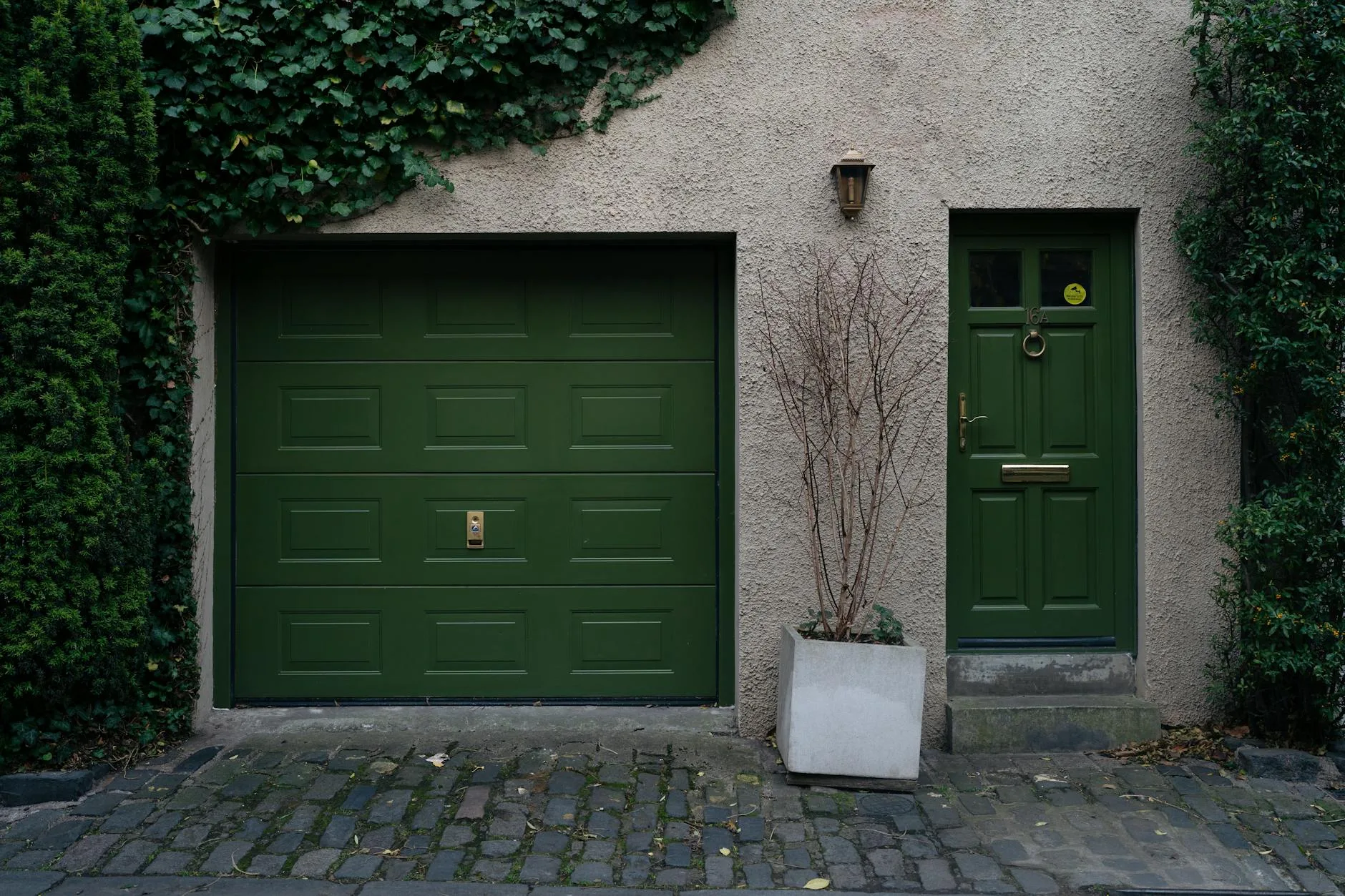
British garages differ quite a bit from their North American counterparts, which many guides focus on. Older UK garages are often detached, narrow, or primarily used for storage. Many still use manual up-and-over or side-hinged doors. The fit matters before you spend money.
- Motorised up-and-over doors: Most compatible with smart add-ons; check if your model is already electric.
- Sectional automated doors: Common in modern developments; usually easily upgraded with smart kits.
- Roller doors: These often require proprietary smart controllers, so compatibility varies.
- Manual (non-electric) doors: Rarely compatible until converted to electric—a process starting at £350+.
Recent owner surveys suggest that conversion rates for smart technology in UK garages remain lower than for alarms or cameras, yet interest is growing. If you are unsure, consult your garage door manufacturer or installer before purchasing a smart opener.
Assessing Compatibility
- Confirm your door is electric and motorised.
- Check existing opener model for supported kits.
- Consider whether Wi-Fi reaches the garage (detached garages may require extenders).
Also check how the door behaves when stopped halfway. A smart controller should report the open/closed state reliably, not just send a blind pulse to the motor. Magnetic contact sensors are usually more dependable than systems that infer status from motor activity alone. If your garage has a side door, make sure that is locked and alarmed too; a smart opener does not turn a weak timber pedestrian door into a secure entry point.
How Smart Garage Door Openers Work in Practice
Setting up a smart opener involves connecting a small controller to your existing motor. Most models are DIY-friendly for standard electric doors, provided you follow instructions and observe electrical safety. The basic operational steps are:
- Mount the controller near your existing door motor.
- Connect signal and power cables (usually by plugging into the existing terminal block).
- Download the manufacturer’s app and connect the device via Wi-Fi.
- Test open/close commands and set up notifications.
- (Optional) Link to Alexa, Google Assistant, or Apple HomeKit.
Many brands also allow temporary access codes or app sharing for family or neighbours, letting you grant entry even if you’re away.
Typical User Experience
- Remote closing: Shut the door from an app if you forget.
- Access records: See when and how often the door was opened.
- Shared control: Grant or withdraw digital keys instantly, useful for family or tradespeople.
Some reviews cite minor latency or missed notifications if Wi-Fi connectivity is patchy. Placing the Wi-Fi router or an extender near the garage usually helps.
Day-to-Day Use Cases
The best use cases are mundane rather than flashy. A parent can check the garage is closed after the school run. A cyclist can open the door from the driveway without juggling keys. A homeowner can let a trusted neighbour retrieve a parcel while keeping a record of when access happened. Those small conveniences add up if the garage is used every day.
It is less compelling if the garage is rarely opened, used only for long-term storage, or sits so far from the house that Wi-Fi needs extra hardware. In those cases, a better lock, door service or camera may deliver more value than app control.
Core Benefits of Smart Garage Door Openers
What drives the interest in smart garage door openers among UK owners?
- Never Guess If You Closed the Door: Apps show real-time status—no need for late-night checks.
- Enhanced Security Awareness: Receive alerts if the door opens outside set hours or remains open.
- Delivery and Trades Access: Remotely grant entry for packages, builders, or dog walkers—no keys needed.
- Activity Tracking: Some apps log all openings/closings, providing peace of mind for parents or landlords.
- Easy Integration: Many models link smoothly with modern smart alarm sensors (Smart Alarm Sensors Explained: PIR, Door, Window & More).
- Customisable Notifications: Control which access events prompt an alert.
Anecdotally, British owners find app notifications especially valued during holidays, or when using garages for expensive tools, motorcycles, or home gyms.
Multi-Device Convenience
For families, app-based sharing replaces passing around physical remotes. Some openers offer up to 10 or more user slots without extra cost.
Downsides and Cautions for UK Buyers
Not every scenario suits a smart opener, and users should weigh the following points:
- Cybersecurity Risks: Internet-connected controls are vulnerable if not secured (see NCSC smart device safety guidance).
- App and Cloud Dependency: Most features require a working internet connection and, in some cases, a vendor cloud account.
- Manual Door Limitations: Non-motorised doors will require costly upgrades; retrofitting isn’t always possible for older doors.
- Possible Outages: Power cuts or Wi-Fi failure can disrupt remote control, though physical key access remains if installed.
- Privacy: Activity logs may include sensitive location data; always review privacy options and avoid sharing unnecessary information (see Smart Speaker Privacy: What They Record and How to Control It).
Reports from some users raise concerns about poor app support or firmware updates on lesser-known brands. Opting for well-supported products reduces this risk.
Data Security Precautions
- Use unique, complex passwords for app accounts.
- Enable two-factor authentication if offered.
- Regularly check for firmware/software updates.
Security, Safety, and Privacy Guide
Proper safety is essential for any remotely-controlled entryway. UK law places strict standards on automated garage doors and powered gates (HSE powered doors and gates safety guidance), and some insurance policies require doors to meet these codes.
- Obstacle Detection: Modern electric garage doors must include automatic reversing if obstructed.
- Manual Release: Physical override for power cuts must remain accessible (recommend a lockable cord or keyed cylinder release).
- Secure Transmission: Prefer systems supporting TLS or end-to-end encryption.
- Audit Trails: Logging who opened/closed the door may help with insurance claims.
Many smart controllers are designed to plug into existing circuits without interfering with UK safety features. Nonetheless, DIYers should consult HSE advice (HSE standards bulletin for powered doors) and consider professional installation if unfamiliar with powered door systems.
Privacy Considerations
- Opt out of unnecessary usage tracking in the manufacturer’s app.
- Check if video or audio features are part of the opener or its ecosystem.
- Review location sharing permissions—essential for geofencing, but not for day-to-day use.
Essential Features to Compare
When deciding if a smart garage door opener is worth it for your household, compare models based on these core areas:
- Door compatibility: Verify with your motor and UK wiring.
- App quality: UK app store ratings and responsive support are a plus.
- Wi-Fi range/support: Especially if your garage is detached.
- Voice Assistant Support: Alexa, Google, or Apple integration may matter for whole-home routines.
- Notifications: Customisable for schedule, access type, and user (find out if these are subject to cloud account fees).
- User management: Control who can access and revoke at any time.
- Battery backup: For garages in areas prone to power cuts.
For those expanding a wider system, integration with alarm sensors (Best Smart Alarm Sensors 2026: Motion, Door & Window) or plugs (Smart Plugs: What They Do and Best Uses) is helpful for automating lights or linked alerts.
Special Features Some Users Value
- Geo-fencing: Opens/alerts as your phone approaches/leaves the house.
- Schedule-based Auto-Close: Closes itself if left open beyond a certain time.
- Local-only operation mode: Keeps door commands within your home’s network, reducing exposure risk.
What to Expect with Installation and Cost
The cost of adding a smart opener varies, depending on the door type and whether you choose professional fitting or DIY.
DIY kits:
- £40–£130 for most add-ons (Chamberlain, Meross, Garadget)
- 45–90 minutes for experienced DIYers; always turn off electricity at the breaker before installing
Professional installation:
- £70–£200, depending on location and door complexity (London often higher)
- May include safety checks and warranty
Electric motorisation (if needed):
- Conversion kits for manual doors typically start at £350 (not including opener itself)
Ongoing costs:
- Most smart openers use minimal electricity (less than £5/yr), but some require a cloud subscription (£20–£40/year) for advanced features.
Major UK retailers include Screwfix, Toolstation, B&Q, and Amazon UK. Warranties are often better from established brands. If you have a unique setup (double or custom doors), check for compatible kits before buying.
Before booking an installer, ask three specific questions:
- Will the existing obstacle detection and manual release still work after fitting?
- Is the smart controller compatible with the exact motor model, not just the door type?
- Who supports the app setup if the device connects but notifications fail?
Those questions separate a simple add-on job from a vague “we’ll make it work” quote. For attached garages, also ask whether the installer can tidy cabling and keep the receiver away from damp corners. For detached garages, ask them to test the Wi-Fi signal at the motor position before drilling or wiring anything.
The value calculation is different for every home. A £60 controller on an existing electric sectional door can be a sensible upgrade. A £500+ motorisation project for a door you open twice a month is harder to justify unless security, mobility or access needs make it worthwhile.
If you are still undecided, start by tracking how often the garage causes friction for two weeks. Note every time someone forgets the door, searches for a remote, needs access while away, or worries about tools inside. If that list stays empty, the upgrade is probably optional. If it fills quickly, a smart opener moves from gadget to practical household fix.
For many homes, the tipping point is not luxury. It is avoiding one open-door mistake during bad weather, a holiday, or a busy morning.
That is the point where the device earns its place, provided the door itself is already safe, reliable and properly maintained. Otherwise, fix the door first.
Linking to Other Smart Devices in Your Home
Smart garage door openers are most valuable when they slot into an overall home automation system:
- Smart alarms: Combine alerts with existing security systems (Best Smart Alarm Systems 2026 UK: DIY & Professional).
- Smart thermostats: Handy if your garage is heated or attached (Smart Thermostats: How Much Can They Save You?).
- Smart plugs: Link garage lights to the door’s status—lights on when the door opens (Smart Plugs: What They Do and Best Uses).
- Smart speakers: Use voice to check/operate the garage, or include door state in a routine.
Some users also automate scenes—“Good Night” routines that close the garage, arm the alarm, turn off lights and heat. Wired connections tend to be more robust; however, wireless bridging works for most domestic needs.
Dealing with Connectivity Issues
If your Wi-Fi signal is poor in the garage:
- Try moving your router closer or adding a mesh Wi-Fi node.
- Use a Powerline Ethernet adaptor.
- In some cases, a mobile hotspot (with care for ongoing costs) provides an interim solution.
Frequently Asked Questions
Will a smart garage door opener work if my garage is detached? Most will, provided there is reliable Wi-Fi in the garage. You may need a range extender if your house signal doesn’t reach.
Are smart openers easy to retrofit to older UK garage doors? Only if the door is already electric and compatible—many older doors are manual, requiring costly conversion first.
Can a hacker unlock my smart garage door remotely? This risk is low if you follow good practices: strong passwords, regular updates, and two-factor authentication when available.
Do smart garage door openers work with smart alarms? Many do—check integration compatibility with your chosen alarm system or sensors before buying.
Is there a monthly fee for cloud services? Basic app features are usually free, but detailed activity logging or advanced integrations may require a subscription (about £2–£4/month).
Will my insurance cover a break-in if I use a smart opener? Providing the system meets UK safety standards and is properly secured, most domestic insurers will cover you. Declare modifications to your provider to ensure compliance.